Most interview preparation is rehearsal: a list of expected questions, a polished answer for each, repeated until smooth. Then the real interviewer asks the second question, the one your answer just raised, and the polish is gone. The applicants who interview well are not the ones with the best scripts; they are the ones who recover fastest when the script runs out.
Why scripts fail
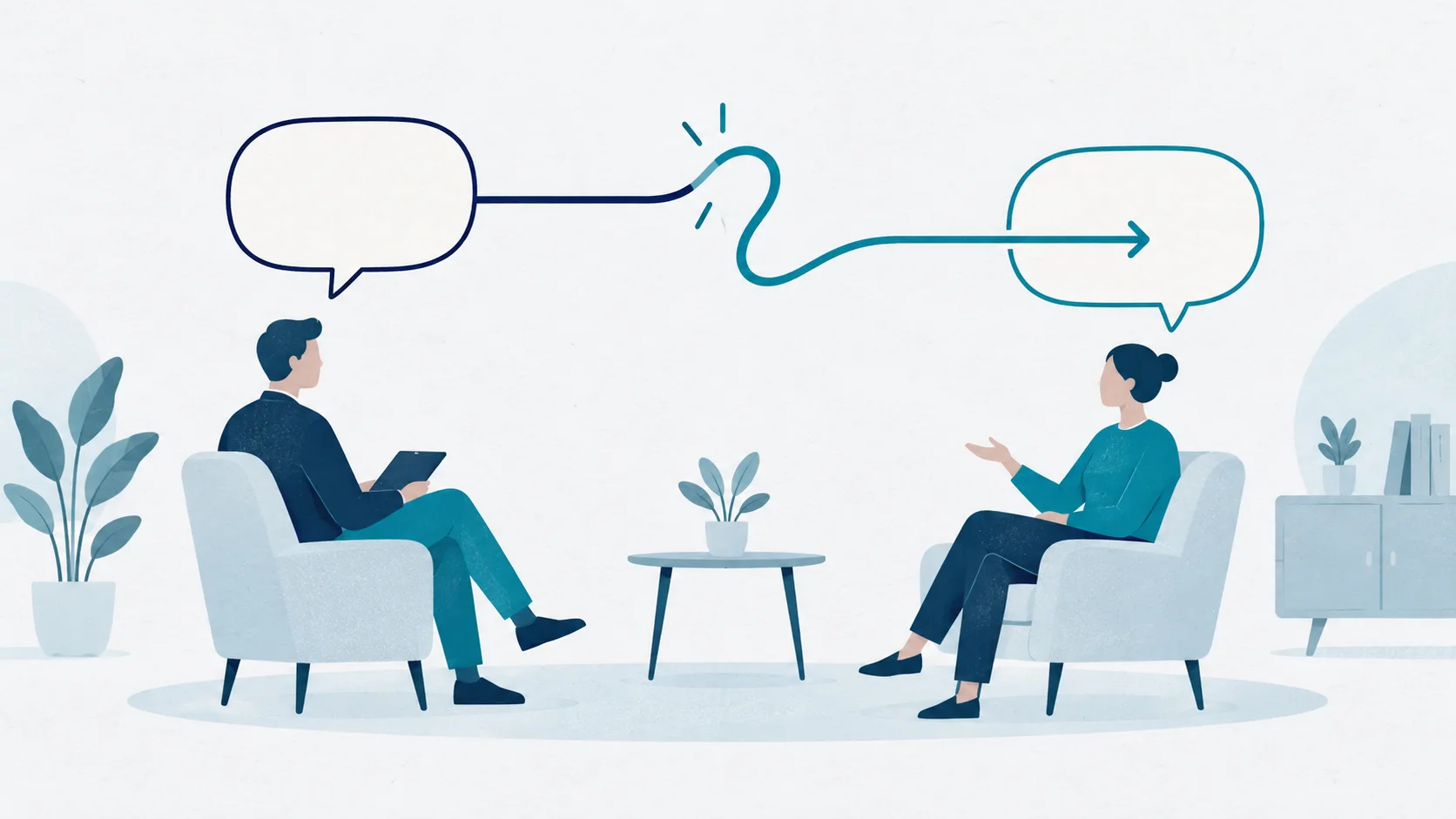
An interviewer is not auditing your answers; they are simulating working with you. Follow-ups, interruptions, and "tell me more about that" are how they probe whether the first answer was understanding or memorisation. A recited answer followed by a lost silence tells them exactly which. This lands harder on IMGs interviewing in a second language, where the temptation to over-prepare fixed wording is strongest and the cost of being knocked off it is highest. It is also where unfair judgements happen: interviewers form impressions from accent and delivery as well as content, which is not right, but it is real, and practising recovery out loud is the part of it you control.
The interview is not a test of your answers. It is a test of what happens after your answers.
How to practise recovery
- Recruit a partner whose brief is to interrupt: mid-answer follow-ups, "why?" three times in a row, a polite challenge to something you just said.
- Practise the honest reset: "I don't know, but here is how I would think about it" delivered calmly is a strong answer, and it needs rehearsing like any other.
- Prepare structures, not scripts: for each likely topic hold three bullet points, never sentences, so every delivery is fresh speech.
- Record one session. The verbal tics, pace, and filler you hear are fixable within a week once you know they exist.
- Do at least one full mock over video with the camera setup you will really use; half of interview trouble in the first minutes is logistics, not content.
Takeaways
- Rehearse interruption until it stops feeling like an attack.
- Hold bullet points, not paragraphs; structure survives pressure, scripts do not.
- Treat "I don't know" as a skill to practise, not a failure to avoid.